Before you speak a word, send a proposal, or step into a room, your photo has already introduced you. It told someone whether you’re serious. Whether you’re successful. Whether you’re worth their time. And if your headshot is more than two years old, shot on a phone, lifted from a group photo, or just fine… it already said something you didn’t mean to say.
We talk a lot about first impressions in person. The handshake. The eye contact. The confidence in how you carry yourself.
But online, your photo is your handshake. It’s the first thing a potential client sees when they land on your LinkedIn. It’s what a journalist looks at when they’re deciding whether to feature you. It’s what a conference organizer studies when they’re choosing speakers. It’s what a high-value referral sees before they ever reach out. And most people have handed that moment to a photo that can’t do them justice.



What a Bad Headshot Communicates
Here’s what people read (consciously or not) when your photo doesn’t match your level:
“She’s not quite where she says she is.” If your brand promises authority and your photo looks like it was taken at a company picnic in 2019, there’s a gap. People feel that gap even when they can’t name it. It creates doubt before you’ve said a single word.
“She doesn’t invest in herself.” How you present yourself visually signals how seriously you take your own work. A mediocre photo doesn’t just say I don’t care about photos, it says I don’t care about the impression I make. That’s not the message a founder, executive, or expert can afford to send.
“This probably isn’t the right fit.” High-caliber clients, partners, and employers are pattern-matching constantly. They’re asking: does this person look like someone in my world? A headshot that’s outdated, poorly lit, or visually inconsistent with your positioning answers that question in the wrong direction, before the conversation even starts.
Here’s what no one tells you: most of the damage is invisible.
You don’t get a rejection email that says we went with someone else because your LinkedIn photo looked tired. You don’t get feedback that says I almost reached out, but something felt off. The opportunities that don’t materialize because of a weak visual presence leave no trace.
That’s what makes it so easy to underestimate. You’re not seeing the editors who moved on. The clients who clicked away. The speaking bureaus who didn’t follow up. You’re only seeing the silence — and silence is easy to explain away.
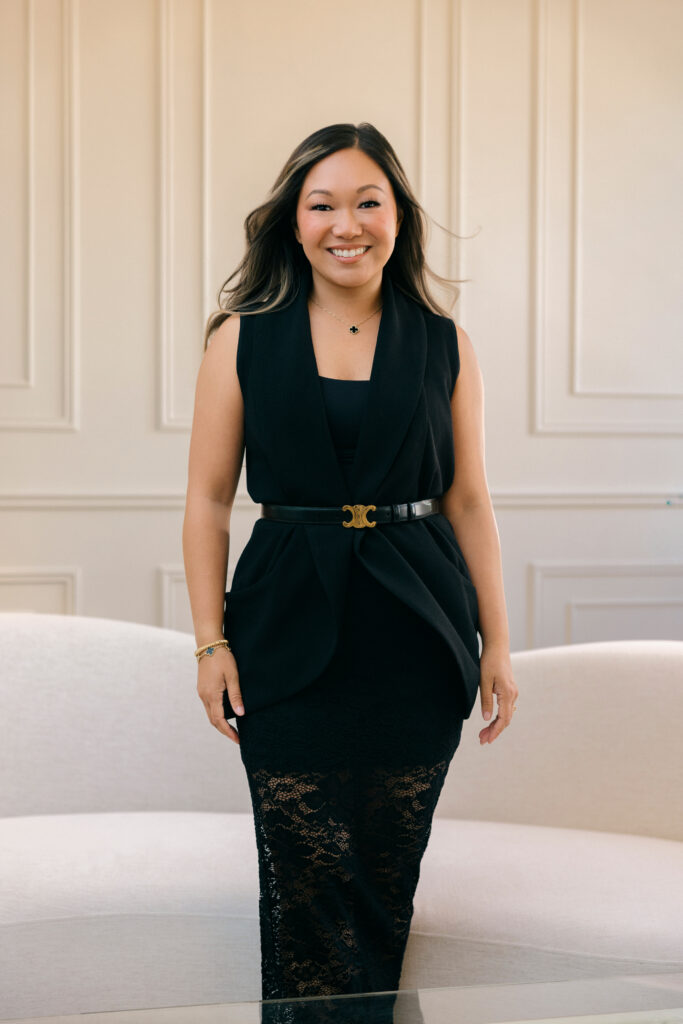
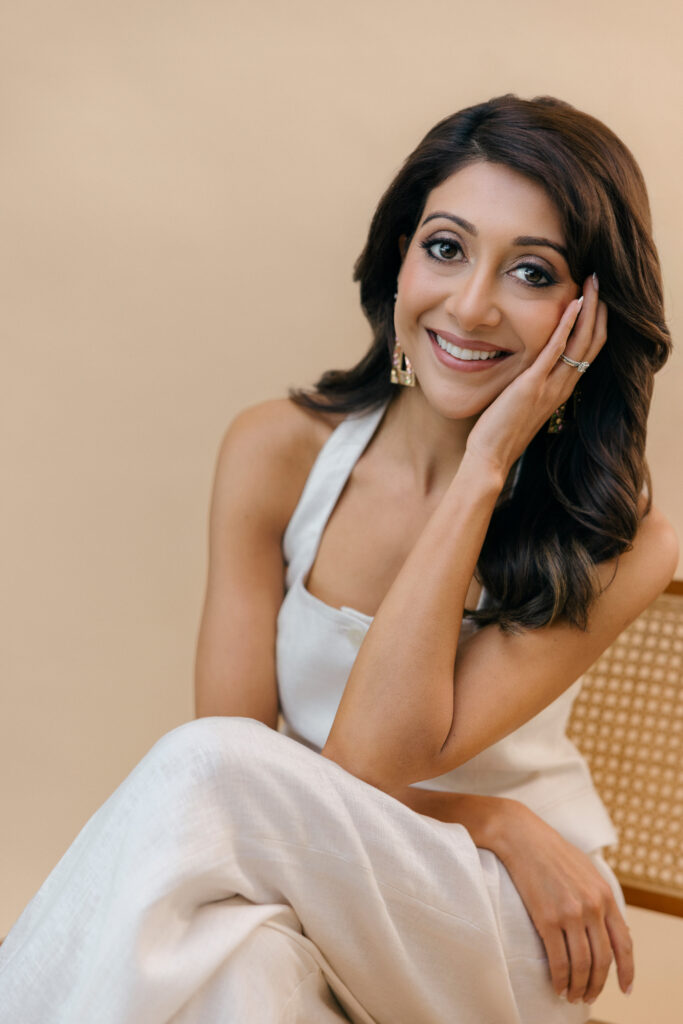
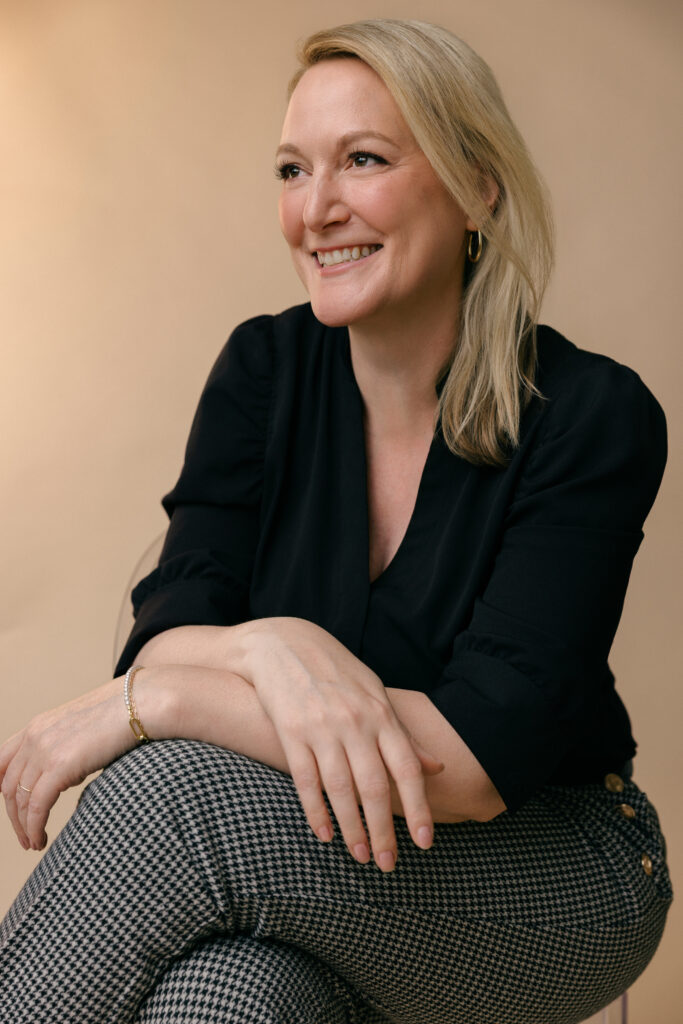
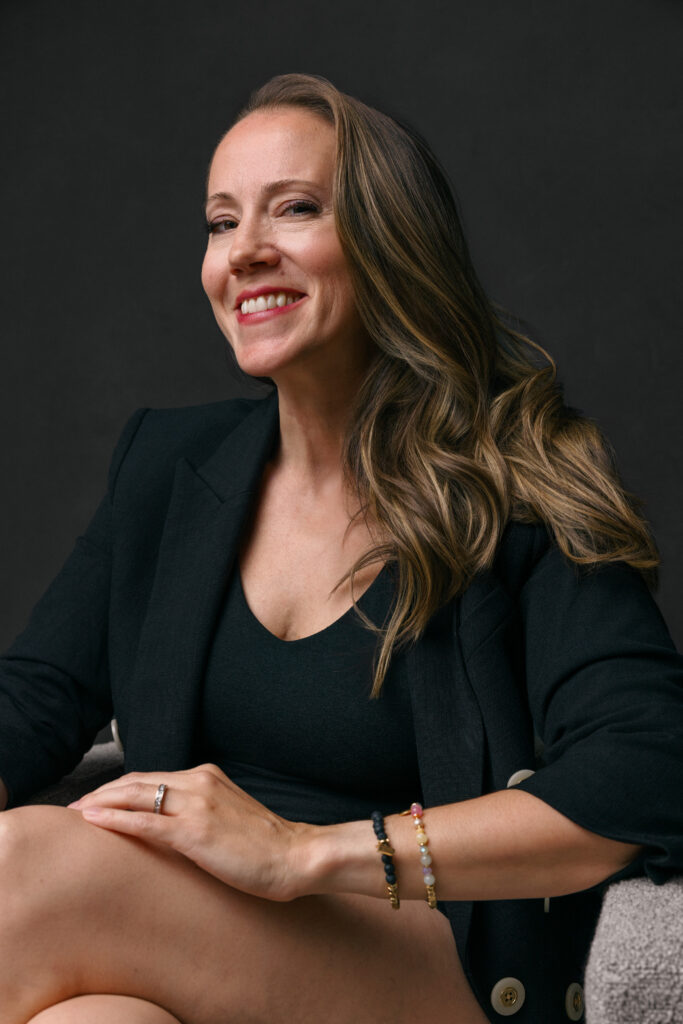
The goal of a great headshot isn’t to look beautiful. It’s to look true — to communicate, in a single frame, exactly who you are at the level you’ve reached. When your photo matches your presence, your authority, and your positioning, something shifts. People meet you online and feel like they already know you. Conversations start warmer. Proposals land differently. Opportunities come in pre-qualified, because the right people already recognize you as theirs.
That’s not a photography result. That’s a business result.
You’ve built the expertise. You’ve put in the years. You’ve earned the clients, the title, the reputation. Your headshot should be evidence of that — not an asterisk. If your current photo is doing anything less than holding your positioning with authority, it’s costing you. Not dramatically. Not obviously. But consistently, and in exactly the moments that matter most.
The question isn’t whether a better photo would help you. The question is how long you’ve been showing up as less than you are — and whether you’re ready to stop.
Elle Yeon Photography | Old Town Fairfax, Virginia, serving Washington DC and beyond. Editorial branding photography for established founders, executives, and personal brand builders who are done being the best-kept secret in the room.
+ view the comments